Newsletter Subscribe
Enter your email address below and subscribe to our newsletter
Enter your email address below and subscribe to our newsletter

 ByJohn A
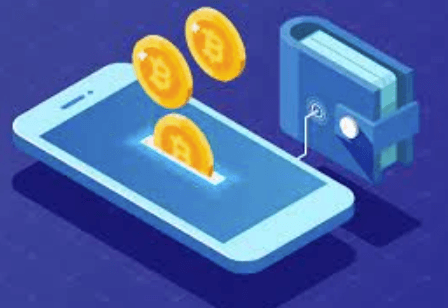
Crypto wallets are tools that hold public and private keys to access blockchain networks, enabling sending, receiving, and managing crypto. They come in hardware, software, and web forms, each balancing security and convenience. Hot wallets offer quick access; cold wallets prioritize asset safety. The choice hinges on use cases, risk tolerance, and goals. Understanding wallet types, their security guarantees, and how they fit daily purchases, investing, or long-term storage sets the stage for informed decisions that may shape future transfers.
Crypto wallets are digital tools that store public keys and private keys, enabling the sending, receiving, and management of cryptocurrency. They function as access points to blockchain networks, enforcing ownership and transaction authorization. Their structure defines control, transfer speed, and security posture. Awareness of crypto risk and privacy tradeoffs guides selection, balancing ease of use with protective measures and personal sovereignty.
Hot wallets are internet-connected devices or services that provide quick, frequent access to funds, while cold wallets store private keys offline for enhanced security; the choice hinges on the balance between convenience and protection.
This contrast frames hot storage vs cold storage decisions, highlighting wallet security vs convenience as users weigh rapid transactions against long-term asset safeguarding and risk tolerance.
Hardware, software, and web wallets each offer distinct security profiles and usability trade-offs. Hardware wallets provide offline key storage and strong protection against remote exploits, yet require physical access and setup steps. Software wallets offer convenience and speed but elevate exposure to malware. Web wallets maximize accessibility, but depend on centralized servers and trust. Security tradeoffs shape choice across defense and usability.
Choosing the right wallet depends on three core uses: everyday purchases, investing, and security. For daily buys, prioritise fast transaction approval and intuitive crypto wallet design. For investing, emphasize control over private keys and diversification. Security requires robust backups and multi-factor safeguards. Awareness of user onboarding pitfalls helps avoid mistakes; balance UX with resilience to protect funds and enable informed, freer financial choices.
There exist no universally recognized “invisible wallets” or formal hybrid wallet category beyond conventional custodial, non-custodial, and multisig frameworks; however, some projects blend on/off-chain elements, user abstraction, and privacy features into hybrid-style implementations.
Non custodial wallets complicate tax reporting, requiring detailed transaction logs and fair market value records. Invisible/hybrid and other wallet types add ambiguity; cross chain and multi chain support demand harmonized rails compatibility. Breached provider and account security concerns arise with DEX integration.
Yes, wallets can extend token compatibility beyond popular blockchains via cross-chain support, enabling asset transfers across networks. This technical approach emphasizes cross chain support while ensuring secure handling, enabling users to exercise freedom through broader token compatibility.
See also: How Platforms Detect Harmful Content
A data breach could compromise private keys and credentials. The breach’s scope dictates data breach implications, including potential asset exposure. The provider should announce user notification timelines, detailing affected accounts, remediation steps, and recommended user precautions to protect assets.
Yes, wallets support wallet dex integration, enabling on-chain trades directly from the interface. Dex rail compatibility varies by protocol and wallet, but standardized standards improve cross-chain swaps while preserving custody and user control of private keys.
In sum, wallets do the boring job of guarding your keys with the seriousness of a laser-eyed accountant. Hot wallets tempt with speed; cold wallets refuse to blink at market volatility. Hardware, software, and web each trade bricks of security for a little convenience. The smart buyer treats everyday buys with a light touch, investing with deliberate custody, and security with ritual. If you’re content hiding your fortune in a spreadsheet, congratulations—blockchains can’t pry into that. Yet.